999 vs 925 Silver: Purity and Price Differences Explained

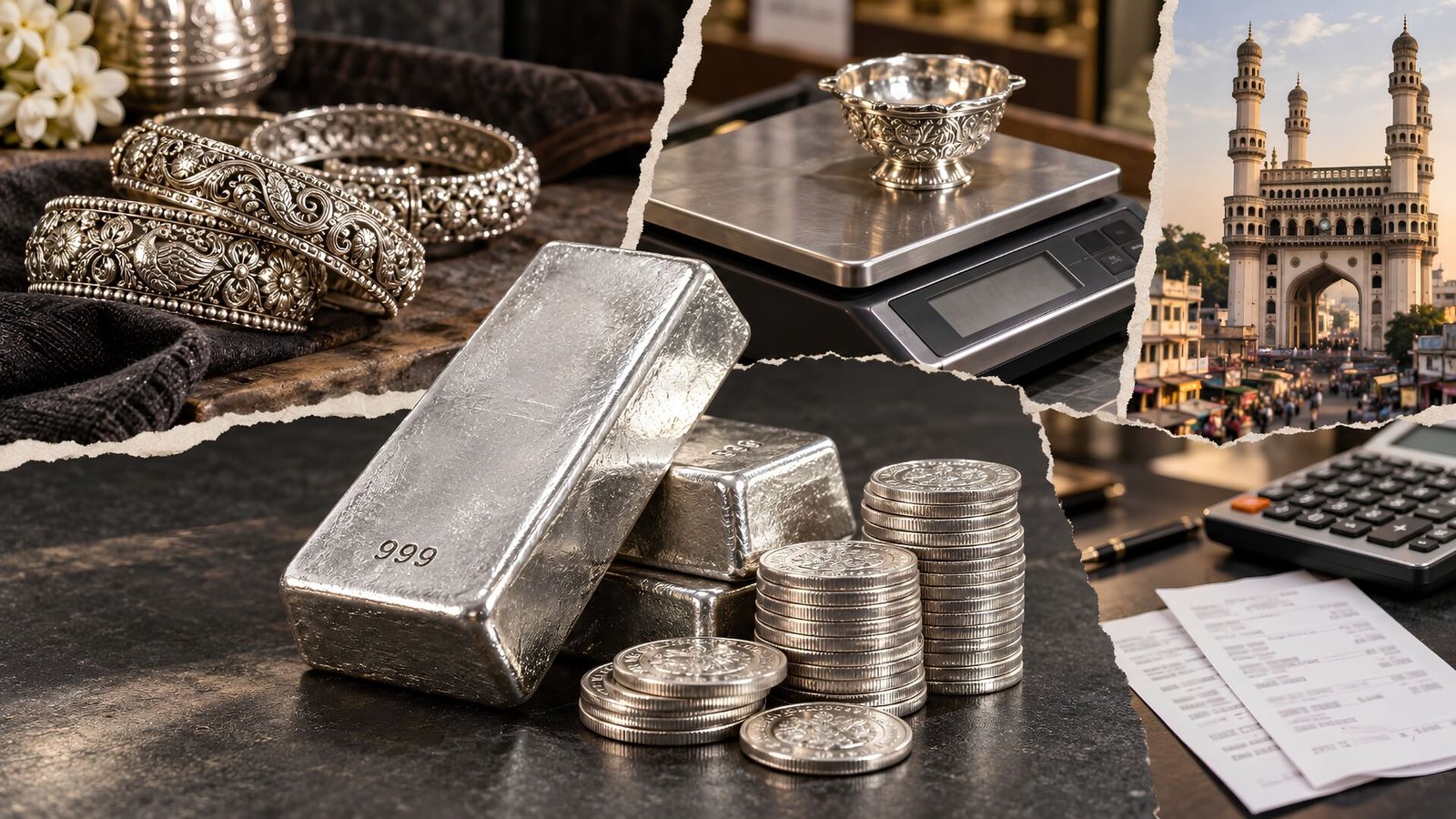
When buying silver, you may see markings like 999 and 925 on coins, bars, jewelry, or other silver items. These numbers are not just a product code, they indicate the purity of the silver and indicate the silver content in the item.
999 silver contains approximately 99.9% silver, with very small amounts of other materials. 925 silver contains 92.5% silver, while the remaining 7.5% consists of other metals used in the alloy.
This difference affects more than purity. It can influence durability, price, everyday utility, and the purpose of purchasing silver.
999 silver is usually linked with bars, coins, and other items that need a high silver content, while 925 silver, commonly known as sterling silver, is widely used in jewelry since the inclusion of other metals makes it stronger and more appropriate for everyday use.
If you are comparing prices before making a purchase, you can also check the Silver Price to understand the current market price.
999 vs 925 Silver: Quick Comparison
| Point | 999 Silver | 925 Silver |
| Silver content | Approximately 99.9% | 92.5% |
| Other material | Approximately 0.1% | Approximately 7.5% |
| Common use | Silver bars, coins, and investment products | Jewellery, ornaments, and silverware |
| Strength | Relatively soft | Stronger and more durable |
| Price basis | Higher silver content | Lower silver content plus applicable product charges |
| Regular wear | Less practical for many designs | Better suited to everyday jewellery |
| Damage | Can scratch or bend more easily | More resistant to normal wear |
Under BIS standards, both 925 and 999 are recognized grades of silver purity. Therefore, rather than describing every silver item simply as “pure silver,” it is more reliable to identify it based on its actual purity.
What Is 999 Silver?
999 Silver means that 999 out of every 1,000 parts are pure silver. This implies that it contains approximately 99.9% pure silver.
Due to the minimal presence of other metals, 999 silver has a very high silver content. However, silver of such high purity is relatively soft. This means that, depending on the type of object and how it is used, it can easily get scratched, bend, or lose its shape.
This is the reason why silver with 999 purity is typically used for items like silver bars and coins, for such objects, the purity or value of the metal is more important than the durability required for everyday use.
Therefore, someone purchasing silver mostly for its metal value might choose 999 silver. However, this does not mean it is automatically the best choice for every silver item.
What Is 925 Silver?
925 silver contains 92.5% silver. The remaining 7.5% consists of other metals added to enhance qualities such as strength and durability.
It is commonly called “Sterling silver” and is widely used to make jewelry and ornaments.
Think about a ring, bracelet, or chain that is worn for hours every day. It comes into contact with different surfaces, is subjected to stretching or pressure, and is constantly subjected to movement. A very soft material is not always practical for such usage.
This is where 925 silver proves beneficial. This alloy makes the material more suitable for making jewelry that needs to maintain its shape during regular use.
925 silver is real silver. 925 only indicates the percentage of silver it contains.
How Is Silver Purity Calculated?
When you calculate the amount of silver actually contained in an item, it becomes easier to understand the difference between 999 and 925.
A simple formula is as follows:
Amount of pure silver = Total weight × Purity
Suppose you have a silver item weighing 100 grams.
For 999 silver:
100 × 0.999 = 99.9 grams of silver
So, a 100 gram item made of 999 silver contains approximately 99.9 grams of silver.
For 925 silver:
100 × 0.925 = 92.5 grams of silver
A 100 gram item composed of 925 silver contains 92.5 grams of silver.
This calculation is useful because two items with the same total weight can have different amounts of actual silver.
999 vs 925 Silver Price Difference
Since 999 silver contains more pure silver per gram than 925 silver, its silver value is generally higher when comparing items of the same weight.
However, there is a significant difference between the value of the metal and the final price you pay.
For general calculations, you can use the following formula:
Value of metal = net weight × applicable price for that purity
In the current market silver prices change constantly, so using a fixed price in long term content can quickly make the example relevant.
The final bill for a silver item may include other things besides just the value of the silver.Depending on the product and seller, this may include:
- Making charges
- Design or labour charges
- Seller premium or margin
- Packaging charges
- GST
- Other charges mentioned on the invoice
For this reason, 925 silver is always exactly 7.5% cheaper than 999 silver can be misleading.
For example, the detailed manufacturing and design costs of a 925 silver necklace can be significantly higher. A simple 999 silver bar can have a very different price structure. Therefore, final prices cannot be compared using only purity.
Can 925 Silver Be Sold at the 999 Silver Rate?
You should not assume that the metal value of 925 silver will be the same as that of an equal weight of 999 silver.
Consider 100 grams of each.
A 999 silver item contains approximately 99.9 grams of pure silver, while a 925 silver item contains 92.5 grams. Their actual silver content is different.
Yet in the case of selling silver the final amount might be determined by a number of factors beyond this simple calculation, since buyers or jewelers could take into account the item’s real purity, the net weight of the silver, the current price of silver, and their own resale or discount policies.
That is why, before buying expensive silver jewelry, it is important to know how the buyback or resale amount is calculated by the seller.
999 Silver vs 925 Silver: Which Is Better for Jewellery?
For most jewelry designed for regular wear, 925 silver is generally more practical because it offers a useful balance between silver content and durability.
Chains, rings, bracelets, and similar pieces experience frequent movement and physical contact. The alloy added to 925 silver helps the jewelry retain its shape better than very high-purity silver for everyday use.
999 silver can still be used for certain jewellery pieces. However, its softness can make it less suitable for detailed designs or everyday jewellery.
Therefore, a higher purity rating does not automatically make a product better, intended use is important.
Which Is Better for Investment: 999 or 925 Silver?
While the objective is primarily to keep silver for its metal content, buyers often look to higher-purity products such as 999 silver bars or coins.
The reason is simple: the product’s weight reflects how much silver it contains.
925 silver is typically purchased in the form of jewelry, ornaments, or functional silver products. While it retains its intrinsic silver value, the purchase price may include significant costs for craftsmanship, design, and other charges distinct from the value of the metal itself.
If you are considering silver for investment purposes, look beyond the purity number. Check the weight, purchase premium, invoice, seller’s resale or buyback conditions and any deductions that may apply later.
When you are thinking of investing in silver, don’t just look at the purity rating; you should also take into account the weight, the purchase premiums, the invoice, the seller’s resale or buyback conditions, and any charges that may be applied in the future.
How to Calculate the Value of 925 Silver
Imagining that you have an item weighing 50 grams which is labelled ‘925’.
First, calculate the amount of silver it contains:
50 × 0.925 = 46.25 grams
So, based on its specified purity, the item contains approximately 46.25 grams of silver.
Then, you can use the current price of silver to find out the value of the metal it contains.
Keep in mind that the amount you receive when selling the item may not necessarily match this figure. Its actual resale value could differ based on purity verification and the buyer’s applicable terms or deductions.
How to Check Silver Purity
Do not judge silver only by how shiny, heavy, or expensive it looks. Its purity cannot be accurately determined by appearance alone.
First check the purity number (such as 925 or 999) stamped on the item. You should also check whether there is a proper hallmark or purity mark applied to the product.
While buying silver, ask for a proper bill and check the information carefully. As per BIS (Bureau of Indian Standards) consumer guidelines, the bill of sale for hallmarked precious metal items should include details such as description of the item, net weight of the precious metal, purity number and hallmarking charges, if applicable.
Avoid accepting the verbal claim that ‘this is pure silver’ as sufficient evidence.
Hallmarking requirements and standards are subject to change, so buyers and publishers should refer to BIS’s up to date guidelines for detailed information on current silver hallmarking regulations.
Final Takeaway
The main difference between 999 and 925 silver is simple: 999 contains approximately 99.9% silver, but 925 contains 92.5% silver.
The main difference between 999 and 925 silver is simple: 999 silver contains approximately 99.9% silver, whereas 925 silver contains 92.5% silver.
The impact of this difference in purity is on the way the metal behaves and on the method used to calculate its value; 999 silver has a greater silver content and is generally linked with bars and coins, whereas 925 silver provides durability which makes it suitable for jewellery and items meant for everyday use.
Before purchasing an item, compare its purity, net weight, making charges, taxes, seller’s terms, and invoice details, rather than making a decision based solely on its purity numbers.
Before making the calculation, check today’s silver rate for the latest price.
FAQs
It all depends on what you want to achieve. Silver of 999 contains 99.9% silver, while that which is 925 contains 92.5% silver and is usually more durable. For items that require high purity, 999 silver should be selected, whereas 925 silver is generally used for jewellery since it is stronger and therefore better suited for everyday wear.
Yes, genuine silver is what 925 silver consists of. It has 92.5 per cent pure silver and the other 7.5 per cent is made up of different alloy metals. This mixture is generally referred to as sterling silver and it makes the silver stronger and more durable than silver which is of a higher purity.
In terms of metal value, 999 silver contains more pure silver per gram than 925 silver, so its silver value is higher. However, the final price may also include making charges, design costs, seller premiums, taxes, and other charges.
925 silver is commonly preferred for everyday jewellery because it is more durable than softer, higher-purity silver. The added alloy metals provide additional strength, making 925 silver suitable for rings, chains, bracelets and other jewellery that may experience regular wear.
Since 925 silver contains 92.5% silver, it holds intrinsic value; however, the price may also include making charges and design costs. Buyers primarily interested in the silver content often compare it with higher-purity silver products, as the value of the latter is directly linked to the quantity of pure silver.
To estimate the pure silver content of an item, multiply its total weight by 0.925. For example, a 100-gram 925 silver item contains approximately 92.5 grams of silver. You can then multiply this quantity by the current market price of silver to estimate the value of the metal itself.
Yes, the final price of silver jewelry may include manufacturing or labor costs in addition to the value of the silver. Depending on the seller and the product, GST and other applicable charges can also affect the final amount shown on the invoice.
Check for the fineness or purity mark on the item, details regarding applicable hallmarks, and the purchase invoice. Markings such as 925 or 999 indicate the purity of silver, but buyers should not rely solely on appearance or verbal claims when verifying the purity of a silver product.